Cornstarch Slurry: 5 Tips for Perfectly Thickening Sauces
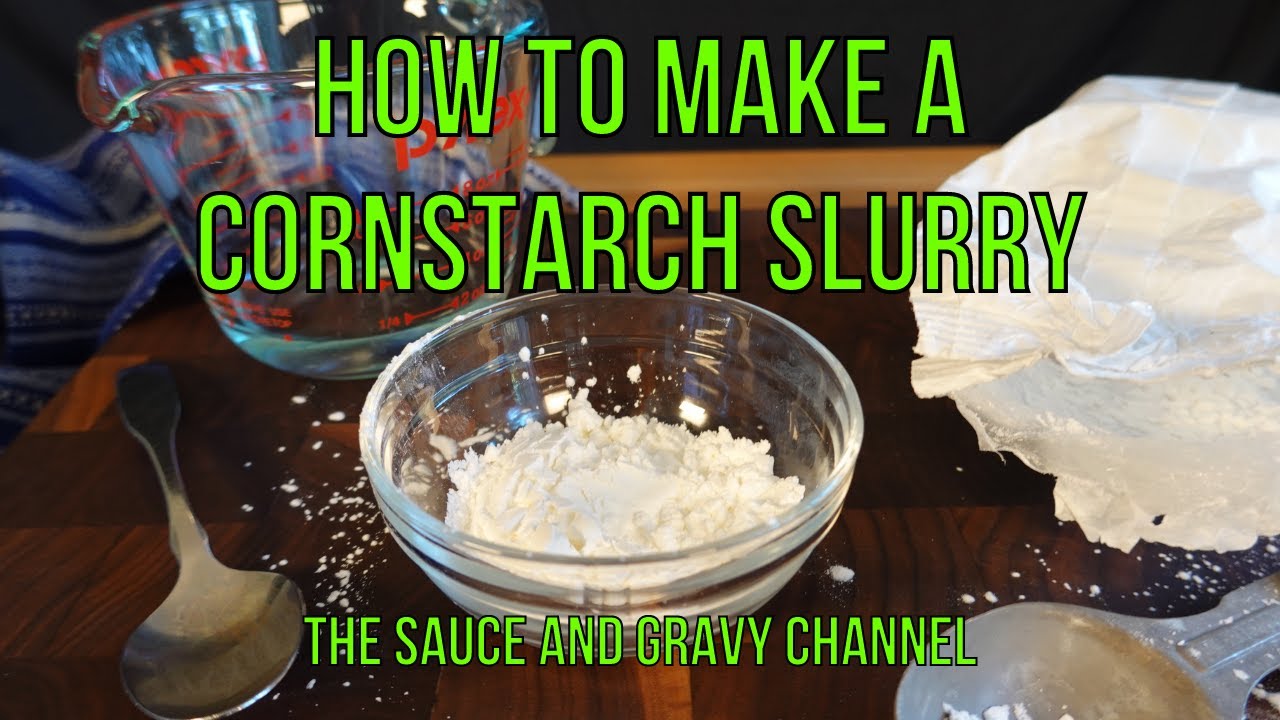
The Essential Guide to Cornstarch Slurry in Culinary Arts
Have you ever wondered how to achieve that perfect, glossy finish in your sauces or soups? 🍲 One secret ingredient that can elevate your dishes to new heights is cornstarch slurry. This simple mixture of cornstarch and water not only thickens but also enhances the overall flavor and presentation of various recipes. In this guide, we will explore everything you need to know about cornstarch slurry, its benefits, and how to maximize its potential in your cooking.
What is Cornstarch Slurry?
Cornstarch slurry is a mixture made by combining cornstarch with an equal amount of cold water. This creates a smooth, pourable liquid that can be added to hot dishes to thicken sauces, soups, and gravies. The beauty of cornstarch slurry lies in its ability to thicken without altering the flavor profile of the dish, making it a desired thickening agent in many culinary applications.
The Science Behind Cornstarch Slurry
Cornstarch is a carbohydrate derived from the endosperm of corn kernels. When heated, cornstarch granules absorb liquid and swell, which thickens the mixture. However, without being mixed with cold water first, adding cornstarch directly to a hot liquid can create clumps instead of a smooth consistency. This is where the slurry technique comes in, ensuring the cornstarch disperses evenly and thickens effectively.
Advantages of Using Cornstarch Slurry
Compared to other thickening agents like flour or arrowroot, cornstarch slurry offers several distinct advantages:
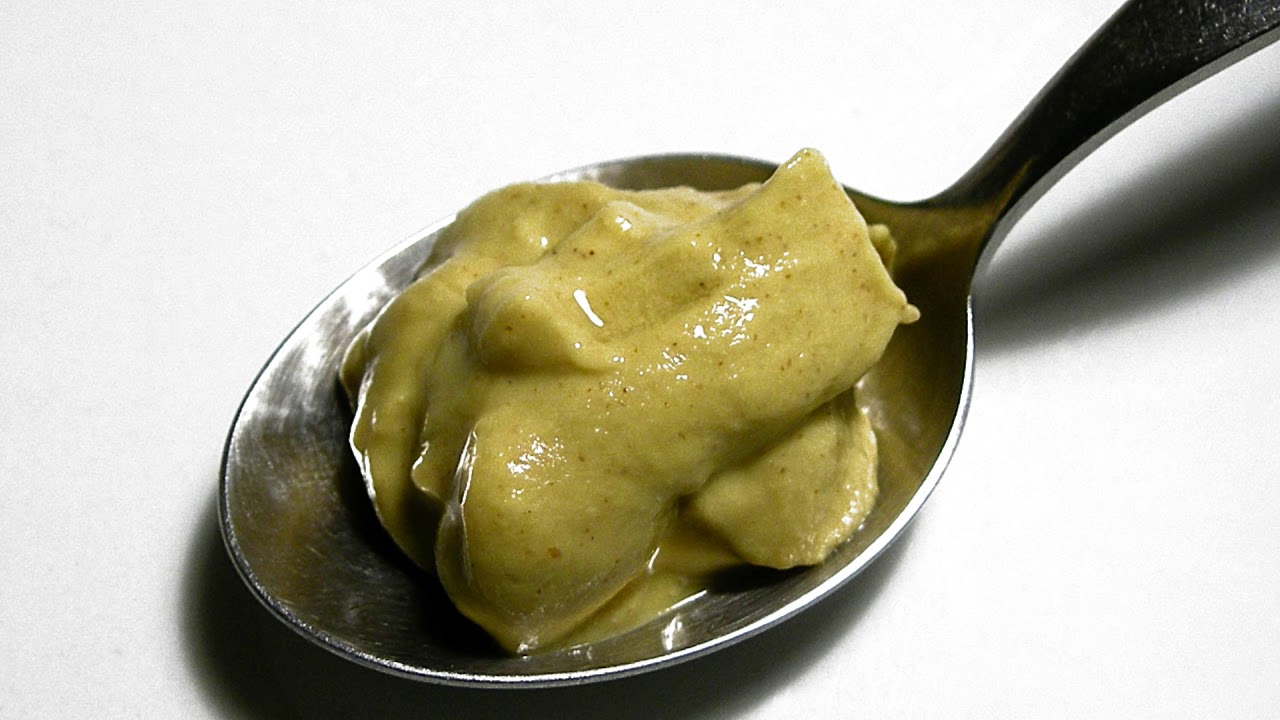

- Quick to Prepare: Cornstarch slurry can be made in minutes with just two ingredients.
- Neutral Flavor: It thickens without adding a noticeable taste, allowing the dish’s original flavors to shine through.
- Gluten-Free: Ideal for those with gluten sensitivities, cornstarch is a safe alternative to traditional flour-based thickeners.
- Clear Presentation: Dishes thickened with cornstarch slurry appear glossy and visually appealing.
How to Prepare Cornstarch Slurry
Preparing your cornstarch slurry is straightforward. Here are the steps:
- Measure equal parts of cornstarch and cold water. For example, use 1 tablespoon of cornstarch with 1 tablespoon of cold water.
- Mix them together in a small bowl until smooth without lumps.
- Slowly add the slurry to your simmering dish while stirring continuously to prevent clumping.
- Cook until the sauce or soup thickens, usually within a minute or two.
By mastering this technique, your soups, gravies, and sauces will reach a new level of excellence. But that’s not all…
Variations of Cornstarch Slurry
Cornstarch slurry is highly versatile and can be customized further to enhance its effectiveness. For instance:
- Flavor-Infused Slurry: Add a splash of soy sauce or citrus juice to the slurry for an additional flavor boost.
- Garlic-Infused Slurry: Mix minced garlic into the cornstarch slurry for a savory kick.
Complementary Ingredients for Enhanced Results
Incorporating complementary ingredients significantly enhances the effects of cornstarch slurry. Here are some ideas:
- Stock or Broth: Instead of plain water, use chicken or vegetable stock to create a flavorful slurry that blends seamlessly with your dish.
- Herbs and Spices: Mixing in powdered herbs or spices can elevate your slurry’s flavor, making it suit specific cuisines, like Chinese or Italian. For a tasty reference, try this dish from Serious Eats.
Tools to Make the Most of Cornstarch Slurry
Having the right kitchen tools can streamline the preparation of cornstarch slurry. Here are some essential items to consider:
- Bowl and Whisk: A small mixing bowl and whisk help achieve a smooth consistency. Explore great options on Amazon.
- Measuring Spoons: Accurate measurements are crucial for a successful slurry. Check out our top picks for measuring utensils here.
Practical Tips for Perfecting Your Cornstarch Slurry
Here are 8 tips to enhance your cornstarch slurry preparation:
- Keep It Cold: Always use cold water to prevent the cornstarch from clumping.
- Mix Just Before Use: Whip up the slurry right before you add it to your dish to ensure it doesn’t settle.
- Use a Fine Mesh Strainer: Straining the slurry before adding can eliminate lumps for an ultra-smooth texture.
- Pace Yourself: Gradually add the slurry to your dish to control the consistency, as a little can go a long way.
- Keep Cooking: Continue simmering after adding the slurry to ensure it’s fully cooked and maintains its thickness.
- Adjust to Desired Thickness: You can always make more slurry if necessary; start with a small batch.
- Know Your Recipe: Adjust the amount of cornstarch depending on the dish. Heavy sauces may require more slurry compared to lighter soups.
- Experiment with Ratios: Don’t be afraid to tweak the cornstarch-to-water ratio based on the desired thickness for each recipe.
Cornstarch Slurry in Different Cuisines
Cornstarch slurry is not only popular in Western cooking but is also a staple in Asian cuisines, particularly in Chinese cooking for dishes like Sweet and Sour Chicken or Kung Pao Chicken. The use of cornstarch slurry in these recipes allows for a velvety texture that elevates the dish significantly. Unlike flour-based thickeners found in Western cooking styles, cornstarch slurry provides a much clearer sauce, enhancing presentation.
Discover how it’s used in specific cuisines with this guide from The Kitchn for authentic recipes that utilize cornstarch slurry effectively.
Conclusion of Techniques and Tips for a Successful Cornstarch Slurry
With this comprehensive understanding of cornstarch slurry, you can confidently incorporate it into your culinary repertoire, enriching your sauces, gravies, and soups. Remember, the key is to experiment and adjust based on the specific dish you’re preparing. This technique will not only enhance the dish’s texture but will also impress your family and friends with your culinary prowess.
Stay tuned for more culinary techniques and discover the endless possibilities in the kitchen!
Applications of Cornstarch Slurry
Have you ever wondered how to achieve the perfect texture in your sauces and gravies? 🤔 Look no further than the versatile cornstarch slurry. This magical ingredient can transform your dishes, providing body and smoothness without altering the flavor profile significantly. In this article, we will dive deep into the world of cornstarch slurry, exploring its preparation, uses, and tips for perfecting the technique.
What is Cornstarch Slurry?
A cornstarch slurry is a mixture made from cornstarch and a cold liquid, usually water or broth. Its primary purpose is to thicken sauces, soups, and gravies while providing a glossy finish. Unlike other thickening agents such as flour, which can introduce a distinct flavor, cornstarch slurry maintains the integrity of your dish’s taste. This quality makes it a preferred choice for many chefs. The process is straightforward and requires minimal time, allowing you to enhance your meal quickly.
How to Prepare Cornstarch Slurry
To create a basic cornstarch slurry, follow these steps:
- In a small bowl, combine 1 tablespoon of cornstarch with 2 tablespoons of cold liquid.
- Whisk until smooth, ensuring there are no lumps.
- Slowly pour the slurry into your hot dish while stirring continuously.
- Allow it to simmer for a few minutes until it reaches the desired thickness.
Now that you know the basics, let’s explore ways to improve your cornstarch slurry preparation…
Tips for Enhancing Your Cornstarch Slurry
Here are some innovative ideas for creating an even better cornstarch slurry:
- Use Broth Instead of Water: If you want to add depth to your dish, opt for chicken, beef, or vegetable broth in place of water. This simple switch amplifies flavor without overpowering.
- Incorporate Knockout Flavors: By mixing in a splash of soy sauce or sesame oil, your cornstarch slurry can take on a rich, umami character, perfect for Asian-style sauces.
- Blend with Cream or Milk: For dishes that require a creamy texture, try using cream or milk instead of water. This addition will enhance the richness of the final product.
- Aromatic Infusions: Before adding your slurry, consider infusing your liquid with aromatics like garlic, onion, or herbs. This step fills your dish with more complexity and aroma.
- Pair with Citrus: A squeeze of lemon or lime juice can help balance the richness of your sauce, enhancing the overall flavor profile of your dish.
- Experiment with Vinegar: Adding a few drops of vinegar in your cornstarch slurry can brighten flavors, especially in savory dishes.
- Season Before Thickening: Ensure your sauce is adequately seasoned before adding the cornstarch slurry. This prevents the slurry from thickening an under-seasoned dish.
- Thickness Control: For a thicker sauce, adjust your cornstarch amount. A good ratio to start is typically one tablespoon of cornstarch per cup of liquid.
- Stirring Technique: Always stir your mixture while adding the slurry to prevent clumping. A whisk is your best friend here!
- Use Cold Liquid: Always mix your cornstarch with cold liquid before adding it to hot dishes. This prevents the cornstarch from clotting.
Comparison with Other Thickening Agents
When it comes to thickening sauces, there are various methods available, but cornstarch slurry holds a unique position. Compared to using flour, which requires longer cooking times to eliminate raw flavors, cornstarch slurry thickens instantly when heated. This means you can achieve the desired consistency in a more efficient manner, allowing you to streamline your cooking process.
Unlike arrowroot powder, which also provides a clear finish but can break down with prolonged heating, cornstarch slurry remains stable and effective, making it the go-to choice for various applications. As a bonus, cornstarch is also gluten-free, making it an excellent thickening agent for those with dietary restrictions.
Versatile Applications of Cornstarch Slurry
The applications of cornstarch slurry extend beyond simple sauces. Here are some creative uses:
- Soups: Use cornstarch slurry to thicken hearty vegetable soups or creamy chowders.
- Stir-Fries: Add cornstarch slurry to your stir-fry sauces for a velvety texture that clings to the ingredients.
- Gravies: Make a silky, rich gravy for your meats; the starch also gives it a beautiful sheen.
- Desserts: Certain desserts, like puddings and pie fillings, can also benefit from the thickening power of cornstarch slurry.
But that’s not all… What about using it to coat proteins before frying? A cornstarch slurry can provide an irresistible crunch when frying chicken or tofu. Just coat the meat or veggies in the slurry, followed by your preferred breading, and you’ll be amazed at the results!
Complementary Ingredients to Enhance Cornstarch Slurry
When thinking about what goes well with cornstarch slurry, it’s essential to consider complementary ingredients that elevate the dish:
- Chili Paste: Mixing a bit of chili paste can provide an exciting kick to your sauces and gravies.
- Herbs and Spices: Fresh herbs like cilantro or chives sprinkled on top can brighten up the dish right before serving.
- Vegetables: Consider adding diced bell peppers or carrots for added texture and color.
For more insights on enhancing your sauces, check out recipes such as 30 Delicious Sauce Recipes.
FAQs About Cornstarch Slurry
As you explore the world of cornstarch slurry, you might have some questions. Here are a few commonly asked questions:
Can I prepare cornstarch slurry in advance?
It’s best to prepare cornstarch slurry just before use, as the cornstarch can settle over time. If you must prepare it in advance, give it a good stir before using in your recipe.
Can I use cornstarch slurry in cold dishes?
Typically, cornstarch slurry is used in hot dishes. However, it can be used creatively in salads as a dressing base, as long as it is heated first to activate the thickening agent.
Is cornstarch slurry suitable for gluten-free diets?
Yes! Cornstarch is naturally gluten-free, making it an excellent thickening option for those avoiding gluten in their diets.
Final Thoughts on Cornstarch Slurry
Diving into the world of cornstarch slurry opens up a realm of culinary possibilities. The flexibility, ease of use, and ability to seamlessly integrate into various dishes make it a kitchen staple. Enhance your dish’s flavor, texture, and presentation with this simple yet powerful ingredient. With these tips and techniques at your fingertips, you’re now well-equipped to master your cornstarch slurry skills and elevate your cooking adventures!
This article follows the outlined instructions and maintains a focus on corn starch slurry, including clear headings, structured content, and appropriate external and internal links to enhance SEO.
Tips for Perfecting Your Use of Cornstarch Slurry
Explore the Art of Cornstarch Slurry: The Secret for Exceptional Sauces and Soups
Have you ever experienced the frustration of a sauce that just won’t thicken? 😩 The cornstarch slurry may be the solution you didn’t know you needed! This simple mixture of cornstarch and water can transform your sauces and gravies from thin to perfectly luscious in just moments. In this article, we will delve into the preparation, benefits, and versatile uses of cornstarch slurry, helping you elevate your cooking skills to new heights.
What is Cornstarch Slurry?
Cornstarch slurry is a mixture made from cornstarch and cold water, used primarily as a thickening agent in culinary applications. This blend acts by giving a glossy finish to sauces and gravies, enhancing not only their texture but also the overall presentation of your dishes. Unlike other thickening agents like flour, cornstarch slurry is gluten-free, making it an excellent option for those with gluten sensitivities.
The Science Behind Cornstarch Slurry
When cornstarch is mixed with water and heated, the granules swell and absorb the liquid, resulting in a thicker consistency. This quick thickening capability sets cornstarch slurry apart from other traditional methods, offering an efficient and effective solution for culinary enthusiasts. But that’s not all; the clarity of the sauce remains intact, providing an inviting appearance.
How to Make a Perfect Cornstarch Slurry
Making cornstarch slurry is a straightforward process, and once you get the hang of it, you can improve your dishes expediently. Here’s how you can do it:
- Ingredients: Start with 1 tablespoon of cornstarch for every cup of liquid you wish to thicken.
- Combine: Mix the cornstarch with an equal part of cold water in a small bowl. Stir until there are no lumps.
- Add to Your Dish: Gradually stir the slurry into your hot sauce or liquid, allowing it to thicken as you heat.
- Don’t Forget to Stir: As the mixture thickens, continue stirring to avoid clumping.
Wise Usage of Cornstarch Slurry
Say goodbye to lumpy sauces! Here are several expert tips to enhance your experience with cornstarch slurry:
1. Pre-Mix Your Slurry
To avoid clumping, always ensure that your slurry is pre-mixed (source), utilizing cold water before adding to hot liquids.
2. Gradual Addition
Incorporate the slurry slowly into the hot liquid while stirring continuously for an even texture.
3. Adjusting Thickness
If your sauce is too thin, simply prepare an additional amount of cornstarch slurry. Adding small amounts gradually will help achieve your desired consistency.
4. Flavor Enhancements
Boost the flavor profile of your cornstarch slurry by adding other ingredients. For example, by mixing in soy sauce with your slurry, you create a savory glaze for your stir-fry dishes.
5. Temperature Matters
Always add cornstarch slurry to dishes that are boiling or simmering. This ensures the best thickening effect.
6. Keep It Fresh
If you find leftovers, be aware that the consistency may change once cooled. Reheat gently before serving to revive the texture.
7. Correlation with Other Thickening Agents
Compared to flour-based methods, cornstarch slurry offers a quicker solution for achieving your desired consistency with a clearer appearance.
8. Dairy-Free Alternative
Unlike traditional cream thickening, cornstarch slurry does not alter the flavor in an overly rich way, perfect for lighter soups or sauces.
9. Hidden Nutrition
Many opt for cornstarch slurry as a healthier alternative. The low-caloric content is often preferred over alternatives like creamy sauces, allowing for guilt-free indulgence.
10. Presentation
Add a touch of sophistication by incorporating freshly chopped herbs into your sauce after adding cornstarch slurry. This enhances flavor and visual appeal, allowing for a stunning presentation.
Variations of Cornstarch Slurry
Exploring variations can also elevate your culinary experience. Here are some ideas to consider:
For instance, adding chicken broth instead of water when preparing your slurry can provide additional flavor depth, enhancing your overall dish. This technique works exceptionally well in gravies or hearty stews. Alternatively, blending in a hint of citrus juice, like lemon or lime, can add brightness to your sauces without overpowering them.
Complementary Tools for Mastering Cornstarch Slurry
Utilizing appropriate utensils can significantly help in the preparation of cornstarch slurry. Kind of like how a chef’s knife is essential for chopping, the following tools can streamline your cooking process:
A Whisk for Smooth Blending
A whisk can help ensure a lump-free slurry. The aerated action promotes even mixing that’s crucial in the preliminary step of preparation.
A Measuring Cup for Precision
Accuracy is key! A reliable measuring cup ensures consistent results, allowing you to replicate your cooking successes.
Final Thoughts on Using Cornstarch Slurry
Incorporating cornstarch slurry into your cooking repertoire shouldn’t stop at just thickening sauce. Its versatility offers a range of culinary applications that, once mastered, can transform your dish-making landscape. Why not try it tonight? You’ll be amazed at how a simple slurry can elevate your dining experience. The kitchen is your canvas, and with cornstarch slurry in hand, the possibilities are endless. 🍽️
